Kitchen clarity. A considered next step.

Garbage Disposal Replacement in Coconut Creek, FL

A quieter kitchen. A dry cabinet. A disposal that fits. We help you understand the problem, compare your options and plan the work around your kitchen.

  • Repair-or-replace guidance
  • Sink & cabinet fit
  • Clear project planning

Garbage disposal replacement in Coconut Creek, FL starts with the right fit. Talk with us about your sink, equipment and installation options.

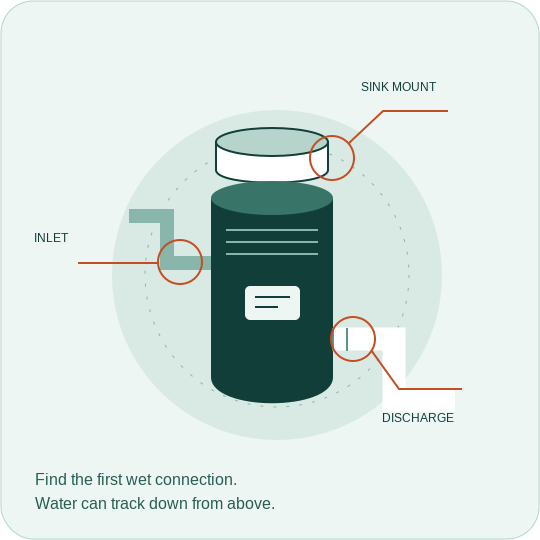
A closer look beneath the kitchen sinkOriginal illustrative cutaway showing a sink mount above the disposal, a side dishwasher inlet and a curved waste connection. The separated parts explain what we check, rather than prescribing an installation. MOUNTMOTORDRAINFIT A CLOSER LOOK AT A BETTER FIT
Fit comes firstSink depth. Cabinet clearance.
Find the sourceMount, inlet or discharge?
Check the whole pathDisposal + dishwasher + drain

An illustrative assembly. Your sink and model will differ.

A little clarity, before the call.Explore the replacement guide

The decision, made clearer

When is replacement the right move?

A new unit is useful when the old one has failed. First, make sure the problem is actually inside it.

Garbage disposal replacement means removing an existing food-waste disposer and installing a compatible unit beneath the kitchen sink. It makes sense when inspection identifies a fault that cannot reasonably be corrected, or when you choose a different model for a specific fit or operating need. A puddle, a humming sound or a slow sink alone does not establish that replacement is necessary.

Start by describing what changed. Does water appear only when the dishwasher drains? Does the motor hum while the grind plate stays still? Does the opposite sink bowl fill even when the disposal turns normally? Those details separate the appliance, its connections and the drainage beyond it. A useful proposal explains the finding before it lists a replacement model.

For Coconut Creek households, preparation also means knowing the type of home and who authorizes the work. A detached kitchen, a condominium building and a manufactured home present different access and installation questions. Use this guide to compare scope and prepare for us conversation. Then ask us to confirm compatibility, any required approvals and the completion tests for your actual setup.

One kitchen. Several possible solutions.

Which service matches the problem?

Replacement is one route. A connection repair, a cleared waste path or a carefully planned first installation may be the more relevant conversation.

Start with the setup

A new unit needs a complete fit check.

Planning a first garbage disposal installation involves more than finding space for the motor. We need to consider the sink opening, mount, discharge height and electrical supply together. A kitchen without an existing disposer may need a different scope from a replacement. Take the model dimensions and a clear cabinet photo into that conversation.

Explore installation

Understand the fault.

With garbage disposal repair, the first job is to identify why the unit stopped working. A power problem, a mechanical obstruction and a worn component call for different decisions. Ask what was checked, which part needs attention and whether the repair leaves the rest of the assembly serviceable. Compare that explanation with the full replacement scope.

Explore repair

Trace the drip.

A garbage disposal leak repair starts at the source of the water. A sink mount, dishwasher hose or discharge connection can send water down the outside of an otherwise intact housing. Protect the cabinet, stop use and explain when the leak appears. The finding should determine whether a connection correction or a new appliance is appropriate.

Explore leak repair

Separate a jam from failure.

For a stalled mechanism, garbage disposal unjamming addresses the obstruction rather than assuming the motor is beyond use. Repeatedly switching a humming unit on is not a diagnosis. Switch it off, keep hands out of the chamber and consult the exact model instructions. We can determine whether an obstruction or a damaged component prevents movement.

Explore unjamming

Look beyond the motor.

If water stays in the sink while the disposal runs, discuss garbage disposal drain cleaning. The discharge, trap or connected kitchen branch may be restricted. Replacing the unit does not automatically clear that path. Tell us whether both sink bowls are affected and whether the dishwasher backs up; in a multi-unit building, management may also need to investigate common plumbing.

Explore drainage

Keep the dishwasher in the plan.

A correct dishwasher drain connection matters during a disposal swap. The inlet must be prepared for use, the hose securely connected and the routing appropriate for the appliance and installation. If a dishwasher stops draining after replacement, report that timing. Ask us to test a dishwasher drain cycle as well as filling and emptying the sink.

Explore the connection

Start with what you can observe

What are you noticing at the sink?

Choose the closest description for a sensible next step. Use these observations to describe the problem when you call us about an assessment.

Your next observation

Where does the water begin?

Stop using a leaking disposal. From a safe, dry position, note whether the first visible water appears at the sink mount, a side connection or the housing itself. Avoid wet electrical equipment. Water traveling down the unit can make the bottom look like the source when the leak starts higher up.

Read about leak assessment
Protect the equipment

Stop repeated restarts.

A stalled grind mechanism can produce a hum without processing food. Turn the unit off instead of cycling it repeatedly. Never put your hand into the chamber. Any accessible jam tool or overload check must follow that model’s instructions with power safely disconnected; some faults need professional diagnosis rather than another reset.

Understand a stalled disposal
Follow the waste path

A turning motor does not prove a clear drain.

Describe whether water rises in one bowl, both bowls or during dishwasher discharge. Those observations help distinguish a chamber obstruction from a restriction farther along the kitchen waste path. Avoid adding drain chemicals to a backed-up disposal. Tell us if any product has already been used before we open the plumbing.

Explore kitchen drainage checks
Compare the complete setup

Take dimensions, then compare models.

A new sink, quieter model or different feed mechanism can change installation requirements. Photograph the current model label and cabinet arrangement. Include filters, drawers and the dishwasher hose in the view. We need to compare outlet position and service access, not just the size or power shown on the product box.

Prepare for a fit assessment

Inside the replacement decision

What should happen before a new disposal goes in?

A careful visit connects the symptom, the equipment and the waste path. The useful result is a clear explanation of what needs changing and why.

Find the cause before choosing the appliance.

Disposals can stop working because of an obstruction, an interrupted electrical supply or a component fault. Leaks can develop at the sink seal, discharge joint, dishwasher inlet or within the unit. Drainage trouble can exist downstream even when the motor operates. These are different failure paths, so a replacement recommendation needs more detail than “it is not working.”

Explain the sequence: a new noise, the first drip, an overloaded chamber or a dishwasher problem after other work. Describe any recent sink, counter or cabinet changes. Past remodeling can change fit even in an established kitchen. We should examine the actual connections and model information instead of assuming the present arrangement matches the home’s original installation.

Separate the mounting parts from the housing.

The flange and mounting assembly support the disposal at the sink. A leak at that junction deserves a sink-side assessment; a deteriorated discharge gasket deserves a connection assessment. Garbage disposal flange replacement may be relevant when the sink assembly is the problem. Do not assume that sealant applied around an unidentified drip corrects the underlying cause.

InSinkErator’s leak guidance distinguishes the mount, discharge, dishwasher inlet and housing, including water that runs down from above. That distinction is useful regardless of the decision you eventually make. Follow the instructions and warranty terms for your own model; a different product can use different mounts, seals and electrical components.

Mount, dishwasher inlet and discharge are separate places to inspect
Mounting assembly Grinding housing Discharge connection
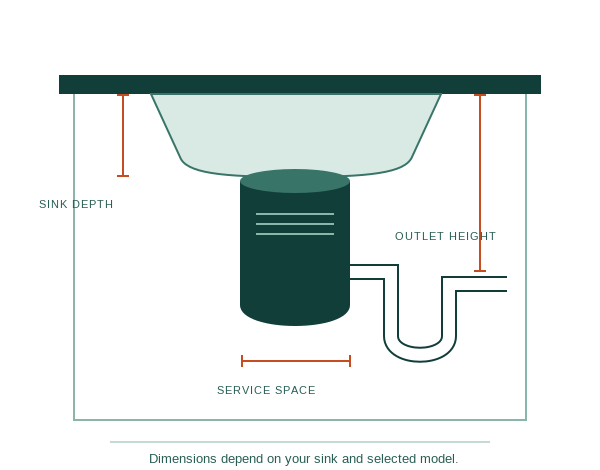
Compare sink depth, outlet height and service access

Measure the connections as well as the cabinet.

A unit can fit inside the cabinet and still leave an unsuitable drain alignment. We need to compare sink depth, disposer discharge height, the trap arrangement and clearance around nearby equipment. Supply lines, filter housings and pull-out storage can obstruct safe access. Record those constraints before purchasing a larger or differently shaped model.

Electrical compatibility is another part of the assessment. A corded unit and a hardwired installation do not necessarily use identical connection components. Ask who will handle any electrical changes and which parts the selected model requires. The manufacturer’s replacement instructions are a model-specific reference, not a reason to improvise unfamiliar wiring.

Agree on what “finished” includes.

After removal, we can inspect the exposed mount and connections, install the compatible assembly and reconnect the waste path. If a dishwasher is connected, its inlet preparation and hose need attention too. Ask whether removal of the old unit, additional fittings, any required permit and cleanup are included in the proposal before authorizing the work.

Completion should include checking the sink mount and waste connections under water flow, confirming the unit’s operation and testing dishwasher drainage where applicable. A cabinet that looks dry before a full sink drains is not the same as a completed leak check. Ask for the model information, operating instructions and details of any service or manufacturer warranty that actually applies.

A practical order of work

How do you move from a symptom to a plan?

Keep the conversation grounded in your kitchen. We determine the inspection, work scope and appointment availability.

  1. Describe what changed.

    Have the model number, symptom and timing ready. Explain whether the sink, motor or dishwasher triggers the problem. Mention visible water and stop-use concerns, along with any earlier attempts or products used. For a condo or managed community, identify the building or association that controls contractor access.

  2. Compare a defined scope.

    Ask us what we found and whether repair, replacement or a drain correction addresses it. Confirm the proposed model and mounting compatibility. Discuss electrical work, dishwasher reconnection, permits and any extra fittings. An explanation of exclusions matters as much as the list of included tasks.

  3. Check the result together.

    Before the visit concludes, ask about sink drainage, visible connections and dishwasher testing. Confirm the cabinet has been checked for leakage during the relevant water tests. Keep the model, invoice and any written warranty terms. Use the manufacturer’s operating guidance for ongoing care rather than treating every food scrap as suitable.

Know when to stop using it

What can happen if you keep running a faulty unit?

A disposal problem deserves a response matched to the symptom, especially when water and electricity are close together.

A small under-sink leak can wet cabinet materials, stored items and flooring before it becomes obvious from outside the door. In an upper-floor home, water can travel beyond the kitchen. Stop the appliance and related sink or dishwasher use if that use causes leakage. Notify building management when shared areas or another unit may be affected.

A humming, stalled unit should not be repeatedly switched on in the hope it will free itself. A restricted drain should not be fed more waste simply because the motor still turns. These responses can complicate the fault and make it harder to see what happened first. Note the symptoms once and arrange an appropriate assessment.

Keep clear of wet plugs, wiring or controls. Do not reach into the grinding chamber or attempt unfamiliar electrical work. If there is smoke, a burning smell or another immediate hazard, stop use and seek appropriate urgent help. Replacement scheduling and price are secondary to dealing with an active hazard safely.

Compare scope, not a guessed price

What affects the cost of disposal replacement?

The useful comparison is an itemized proposal for your actual setup. No single online amount captures the model, connections and access conditions of every kitchen.

Factors to discuss with us
The selected applianceCompare its feed mechanism, dimensions, grinding design and included installation components. Ask which items are supplied with that specific model and which are additional.
Sink & mounting conditionA compatible, sound mount is different from a corroded assembly or a changed sink. Include any necessary flange, support or sealing work in the proposed scope.
Drain & dishwasher connectionsOutlet alignment, trap condition and hose connections can require more than an appliance swap. Establish whether a separate blockage or damaged fitting also needs attention.
Electrical requirementsConfirm the required cord or adapter and who handles any wiring or circuit changes. The appropriate work depends on the unit and existing installation.
Access & approvalsNarrow cabinet openings, building entry procedures and the complete permit scope can affect planning. Confirm authorization before arranging work in a rented or managed home.
Removal & completion checksAsk whether the old appliance is removed, what cleanup is included, which tests will be performed and what written warranty terms apply to us or product.

Choosing to stop using a disposal permanently changes the work. Garbage disposal removal includes restoring a complete conventional sink drain and preserving any dishwasher connection, so compare that conversion with the full replacement proposal.

Choose around the way you cook

Would a different type suit your kitchen?

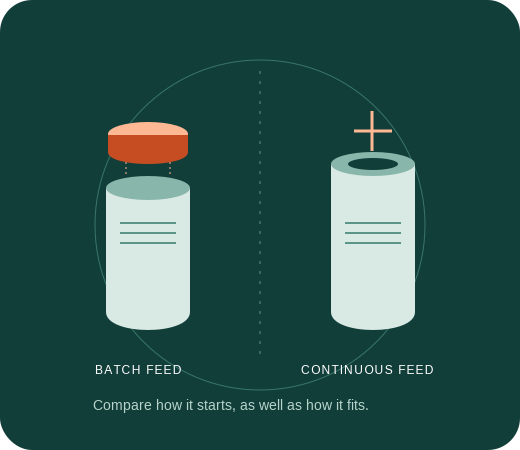
A batch feed garbage disposal installation changes how the unit is started: the matching stopper controls operation. Compare that routine with a continuous-feed model, along with sink compatibility, stopper storage and the space beneath the bowl. The right choice depends on how the household uses its kitchen, not just a motor rating.

For a lower-noise priority, explore quiet garbage disposal installation. Sound insulation is only part of the result. A secure mount, suitable sink, aligned drain and freedom from cabinet contact also matter. Ask for the specific model features and dimensions without assuming that “quiet” means silent or that a larger unit will fit.

Compare batch-feed and continuous-feed operation
The better question

Does this model fit the sink, the space and your routine?

A city made of different kitchens

What should Coconut Creek homeowners prepare locally?

Identify the community and the type of home before arranging an assessment. These local details guide the conversation; confirm your service address and appointment options with us.

01

Township

For a home in Township, identify the village and building association, not just the master-community name. Its mix of attached and detached housing makes authorization, access and responsibility for any common drainage important questions.

02

Wynmoor

In Wynmoor, confirm your condominium association and unit information before arranging work. Tell us about the floor and any water spreading beyond the cabinet, and ask management for the current contractor-entry instructions.

03

Winston Park

Across the residential sections of Winston Park, the existing kitchen arrangement matters more than the subdivision label. Mention sink replacements, added storage and earlier plumbing changes so we can assess the mount and discharge alignment.

04

South Creek

For South Creek, keep municipal permits and utility service distinct: the neighborhood is inside Coconut Creek, while Margate provides water and wastewater service. Describe the actual kitchen fault rather than assuming a utility project caused it.

05

Regency Lakes

When arranging a visit in Regency Lakes, name the sub-community as well as the street. Its master and neighborhood association structure makes current entry instructions useful; the sink, model and drain still need an individual fit assessment.

06

Centura Parc

In Centura Parc, tell us whether the kitchen is in a detached house, townhome or villa. That information helps frame access and authorization questions, while a cabinet photo shows which connections and obstructions need attention.

07

Country Lakes

A disposal proposal in Country Lakes should account for the actual manufactured home and its installation requirements. Confirm sink support, available cabinet clearance and permission for changes before purchasing equipment or assuming a standard replacement arrangement.

08

Tallowwood Isle

For Tallowwood Isle, provide the correct home or site identifier and ask about contractor access through the managed community. Compare the proposed unit with the manufactured home’s sink and cabinet rather than relying on a generic fit claim.

09

Banyan Trails

In Banyan Trails, identify whether the home is detached or attached and mention any kitchen renovation. The community’s property association does not replace a model-specific inspection, and exterior-review documents do not automatically settle interior-work requirements.

10

CocoBay

For a kitchen in CocoBay, prepare gate-entry instructions and a readable disposal model label. Explain whether leakage follows ordinary sink use or dishwasher discharge; that timing can help direct attention to the relevant connection.

11

Victoria Isles

In Victoria Isles, distinguish a townhome from a detached residence when describing access and work authorization. A quieter unit also needs a secure mount and clear space around it, so include the cabinet layout in your preparation.

12

Coquina

Before a visit to Coquina, confirm the community entrance and any current association access requirements. Measure or photograph the existing sink and waste connection so we can compare a replacement with the actual installation.

13

Buttonwood Hammocks

For Buttonwood Hammocks, give the precise building or sub-association and dwelling type. The area includes different housing formats; ask who handles any common plumbing, and show narrow cabinet openings or other obstacles in the work space.

14

Indigo Lakes

In Indigo Lakes, specify the residential section and verify the access arrangements for your address. Broader neighborhood labels can overlap. The current model, sink depth and drain position remain the useful starting points for replacement planning.

15

Crescent Creek

When arranging work in Crescent Creek, confirm the home address and arrival instructions for the community off NW 39th Avenue. Have the sink arrangement and dishwasher connection ready to discuss, then ask which completion tests the proposal includes.

Start with the Coconut Creek service-area overview to find the relevant community information. Call us to confirm your service address and the type of work you need.

Clear about our role

How do we plan your disposal service?

We explain the proposed work so you can choose the right next step for your kitchen.

At Creekside Disposal Pros, we focus on garbage disposal replacement and the connections that make a kitchen work properly. Tell us what changed, whether the unit leaks or hums, and how the sink and dishwasher drain. We start with the equipment and the actual condition before discussing the right correction for your Coconut Creek home.

Before work begins, we want you to understand the proposed scope, charges and any items that need separate attention. Ask us about the selected model, mounting compatibility, electrical requirements and completion checks. We can discuss repair and replacement options around the condition of your existing setup. Confirm appointment options and any assessment charge with us when you call.

We explain the proposed work, payment arrangements and applicable written terms before you make a decision. Keep your invoice and appliance information together so we can help with a later question. Read about Creekside Disposal Pros to learn about our approach, and review the website disclaimer for the published terms that apply to this website.

Make the conversation useful

What should you have ready when you call?

A few concrete observations are more useful than guessing which part has failed.

  • The equipment: brand, model number and whether it is plugged in or hardwired, if already known.
  • The symptom: where water appears, whether the motor moves, and what happens when the sink or dishwasher drains.
  • The space: a clear cabinet photo showing the mount, waste pipe, dishwasher hose and obstructions.
  • The property: community, unit or site number, authorization to arrange work and relevant access instructions.

You can also use the contact preparation guide to organize your questions. Avoid handling wet electrical connections just to obtain a photograph or label.

Before you decide

What else should you know about replacement?

Practical answers for the conversation with us. Product instructions and the actual installation remain important.

Should I repair or replace my garbage disposal?

Start with the fault, not the age printed on an old receipt. A jam, failed connection or external leak may have a repair route. A confirmed internal leak or damaged grinding assembly can make replacement more appropriate. Ask us to explain the finding, compare the complete scopes and check any remaining manufacturer warranty before you decide.

Why is water dripping from the bottom of the disposal?

Water can travel down the outside of the housing from a higher connection. We should check the sink mount, dishwasher inlet and discharge joint before concluding that the body leaks internally. Stop using a leaking unit, keep clear of wet electrical equipment and describe when the drip appears: during sink use, grinding or a dishwasher cycle.

Will a new disposal fit the existing sink and cabinet?

Check the sink opening, mounting arrangement, unit diameter, overall height and discharge position. A deeper replacement sink or an added filter can change the available space. The proposed disposal also needs room for its drain connections and service access. Matching horsepower alone does not establish that two models fit the same installation.

Can the dishwasher stay connected after replacement?

A compatible disposal can accept the dishwasher drain hose, but we must prepare that inlet correctly and check the hose and required routing. Some models arrive with the inlet closed by a plug that must be removed when used for a dishwasher. Include a dishwasher drain test in the completion checks, rather than testing the sink alone.

Does Coconut Creek require a permit for the work?

Coconut Creek’s Building Division handles municipal plumbing and electrical permit questions. The published city guidance covers alterations and replacements broadly; it does not settle every disposal-only scenario. Have us confirm your actual scope with the city, especially if it includes new wiring, moving a drain or changing the sink. Association authorization is a separate question.

Is disposal replacement different in a condominium?

The sink-side task depends on the equipment, while access and responsibility can involve your building or condominium association. Confirm who may authorize work, how a contractor enters and whether any shared plumbing needs attention. A kitchen leak in an upper-floor home also deserves an early check for water spreading beyond your cabinet. Do not assume every building has the same rules.

What affects the price of replacement?

The model, included electrical components, sink and mount condition, drain alignment, dishwasher connection and access all affect the scope. Removing damaged cabinet materials or correcting an unrelated drain fault can be separate work. Ask for an itemized proposal covering the appliance, labor, additional parts, removal and any applicable permits; compare the written scope rather than assuming one amount fits every installation.

Can I keep the sink and remove the disposal instead?

Removal with a conventional drain conversion is an alternative to installing another disposer. The work needs a suitable sink strainer, a complete waste connection and a functioning trap. If a dishwasher used the old unit as its drain connection, that route must be preserved appropriately. Electrical disconnection and any termination should be handled by the appropriate qualified trade.

Will a more powerful disposal fix a slow kitchen drain?

Not necessarily. A restriction in the trap or kitchen branch can remain after the motor and grinding mechanism have been replaced. Describe whether one bowl or both bowls back up and whether the dishwasher is affected. Ask us to establish that the waste path is clear before recommending a larger motor as the solution.

What happens when I call Creekside Disposal Pros?

When you call Creekside Disposal Pros, tell us your disposal model, the symptoms and your Coconut Creek service address. We’ll discuss the work needed, answer your questions about scope and charges, and confirm appointment options. Keep the model, invoice and any written service terms together for future reference.

Your kitchen. A clear next step.

Ready to talk through the replacement?

Describe the problem, explain the setup and confirm our availability and terms.

909-839-3333

Have the model label and your community or building details ready.

909-839-3333